📧
☎ 818-514-5359
📧
☎ 818-514-5359

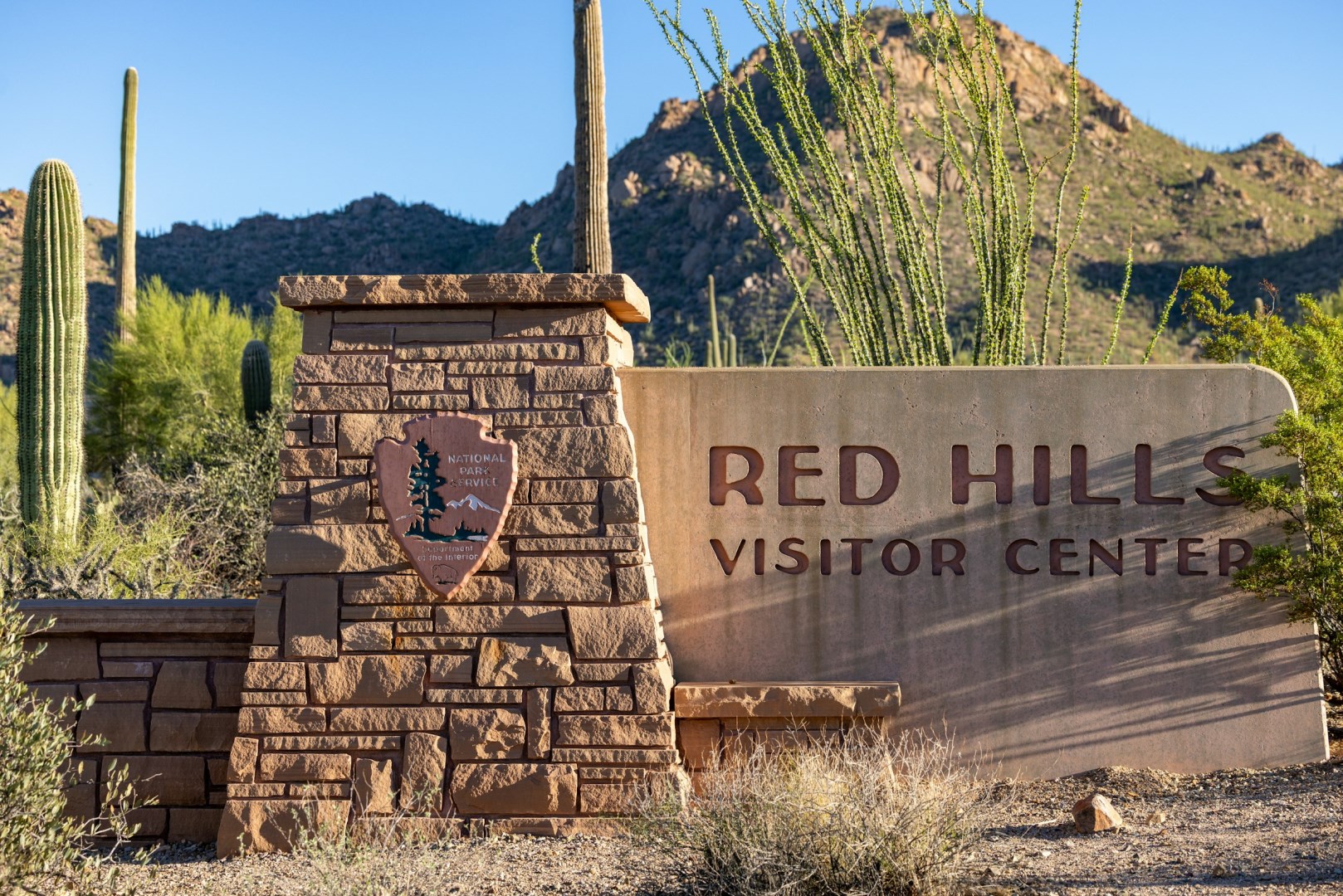

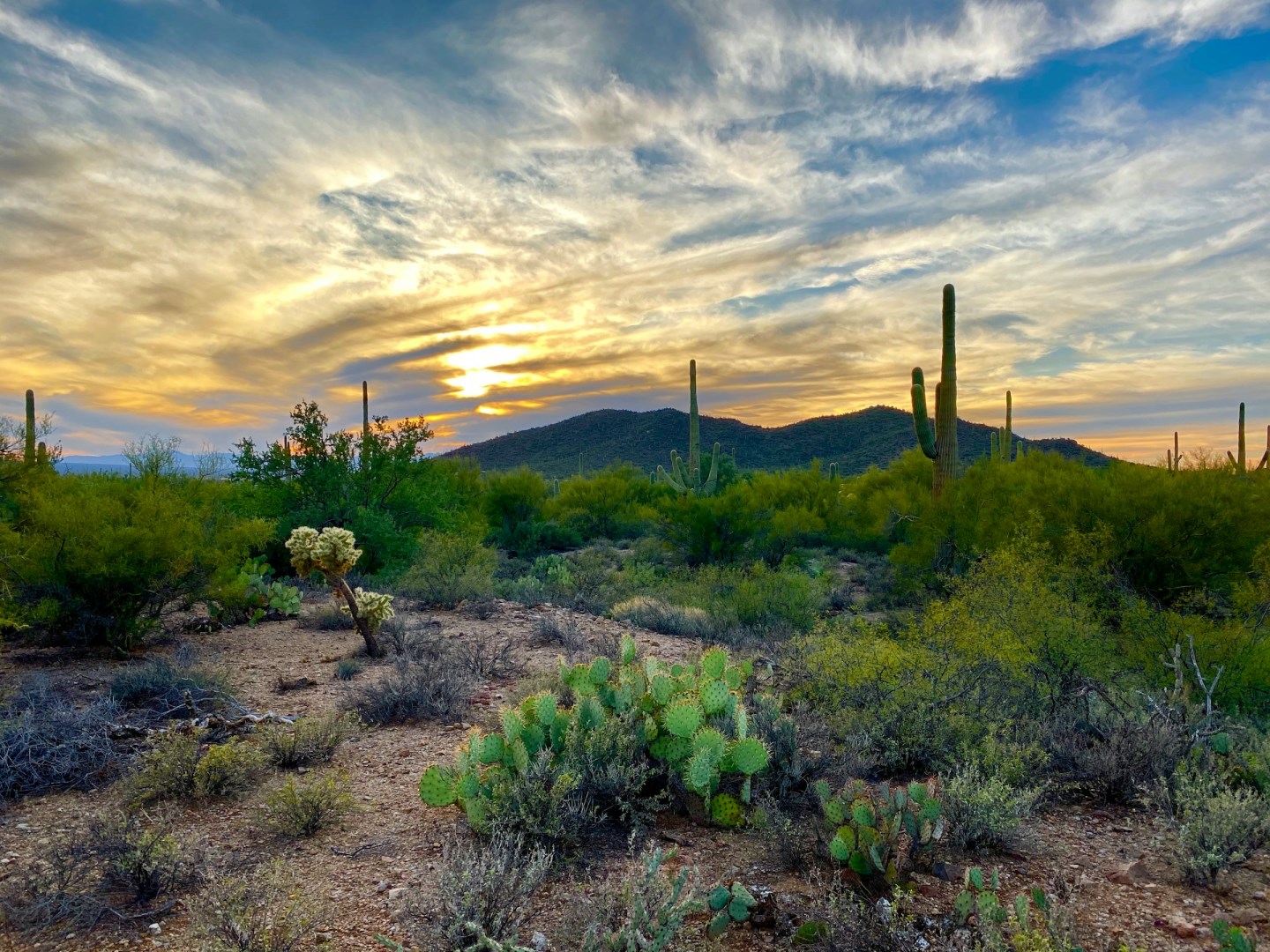



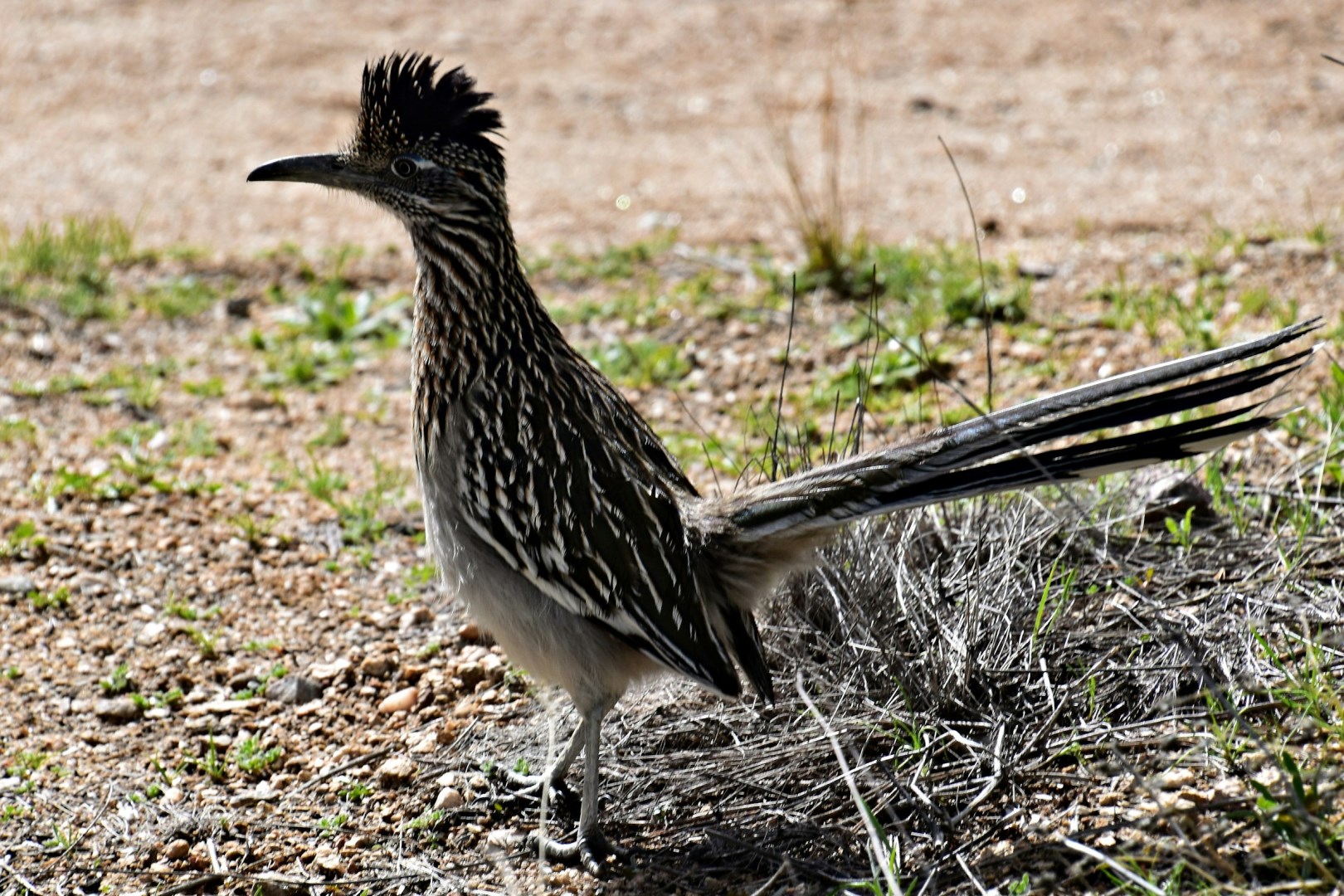

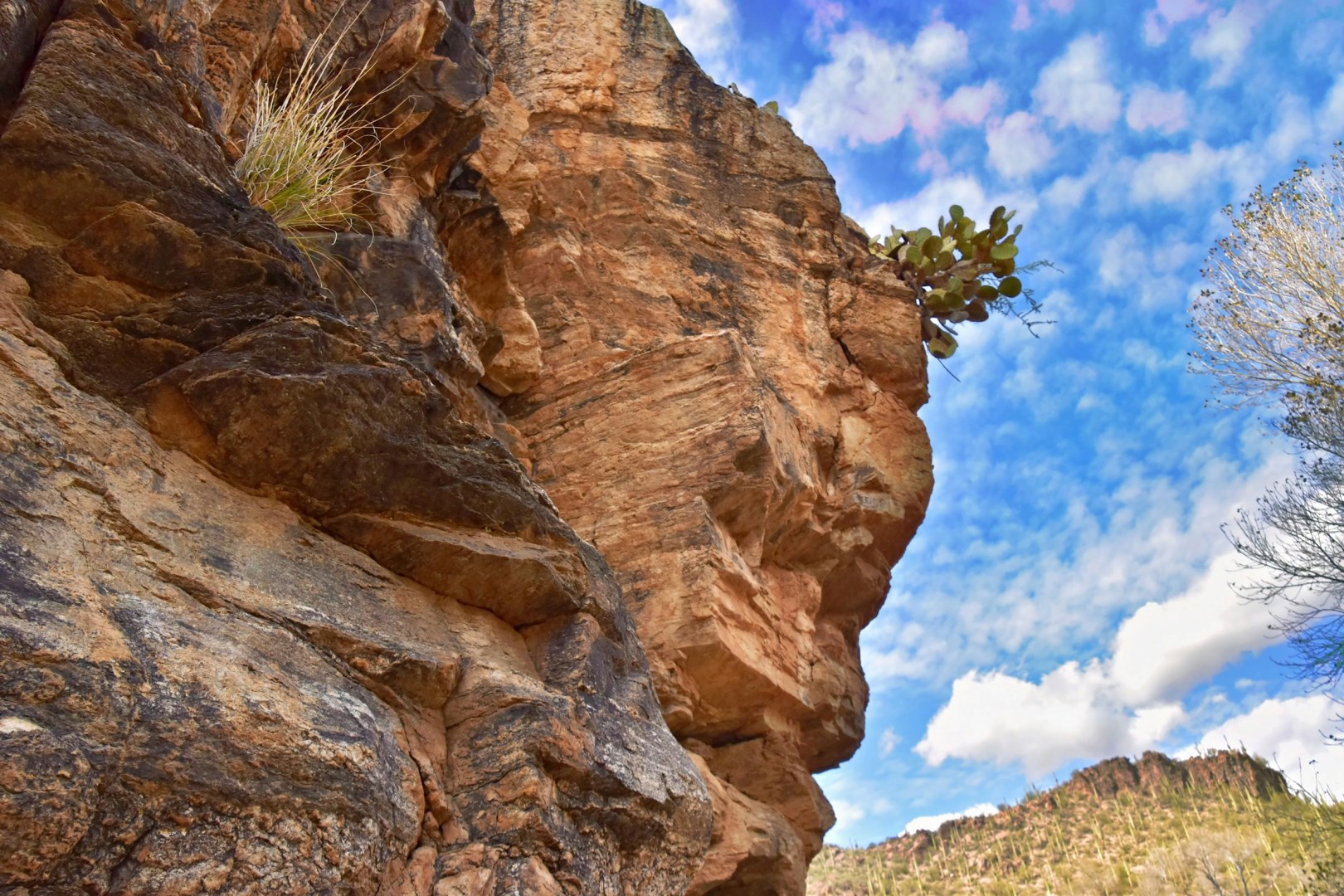





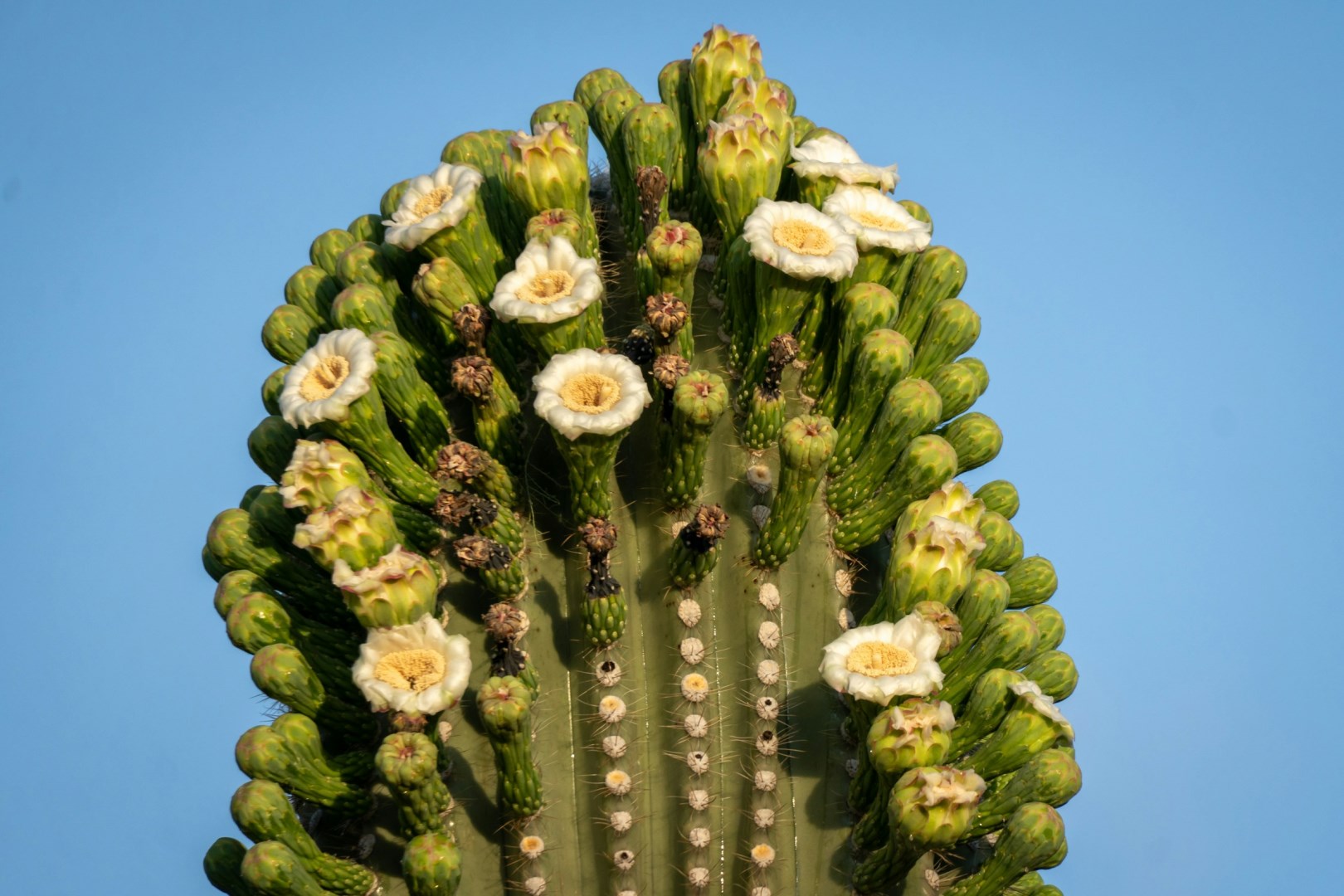

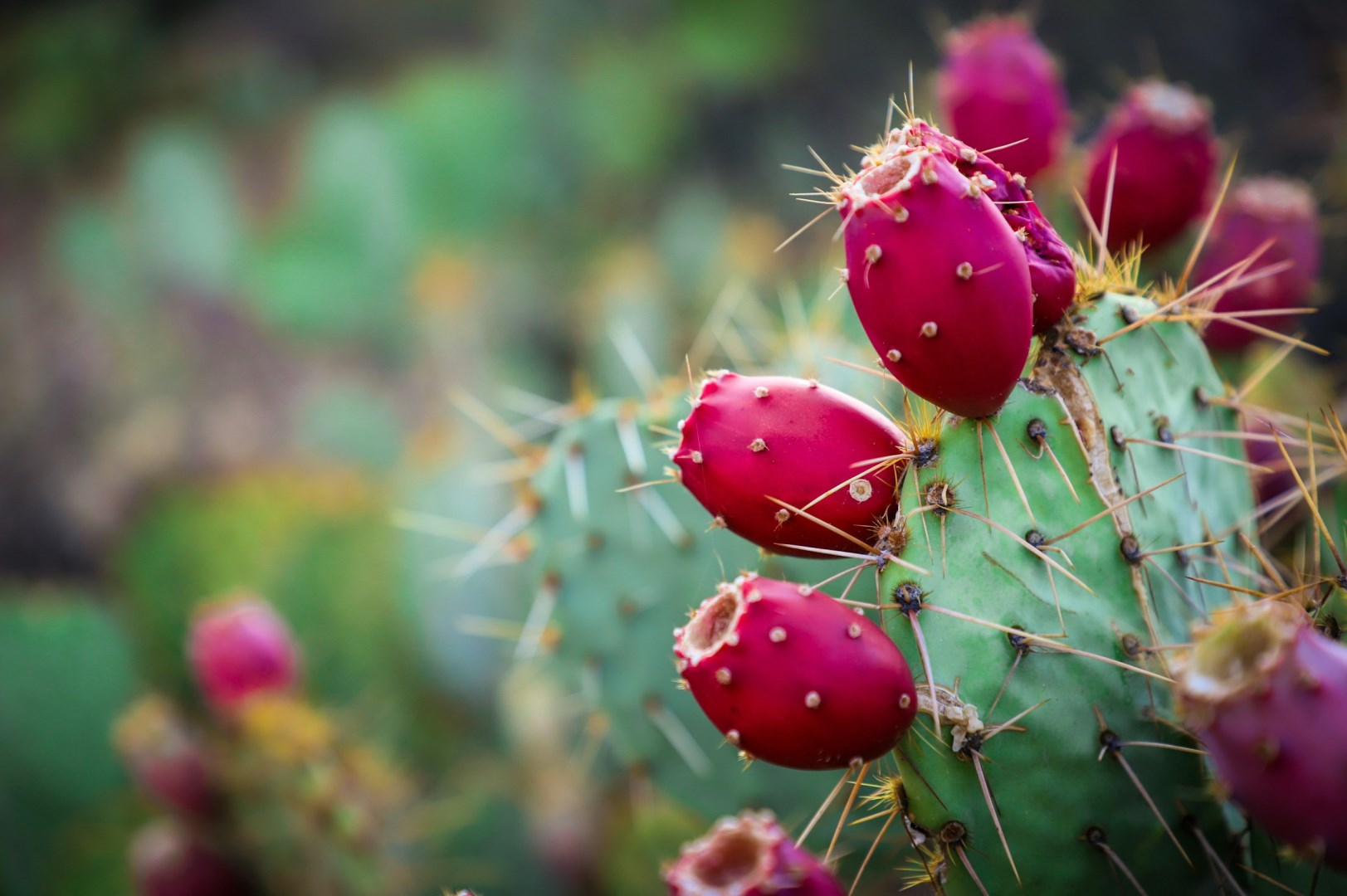

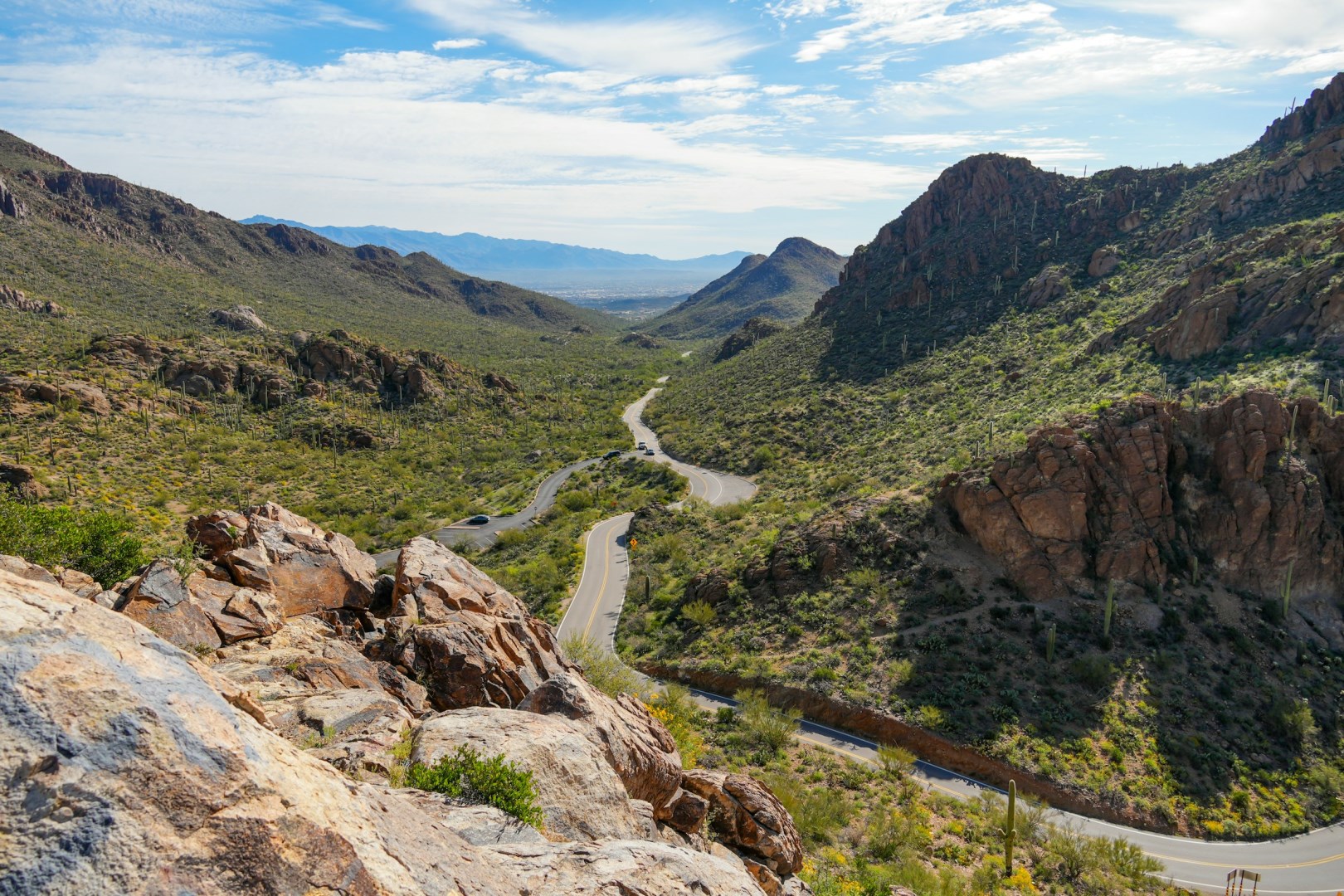

Tucson is a city in southern Arizona surrounded by the Sonoran Desert and framed by several mountain ranges, including the Santa Catalina Mountains to the north. Its desert setting is defined by towering saguaro cacti, rugged hills, dry washes, and broad mountain views. Tucson combines a historic downtown with distinctive neighborhoods, museums, gardens, and outdoor spaces. The city is also part of a larger desert region where urban areas meet protected landscapes, giving Tucson a close connection to the distinctive plants, geology, and wildlife of the Sonoran Desert.
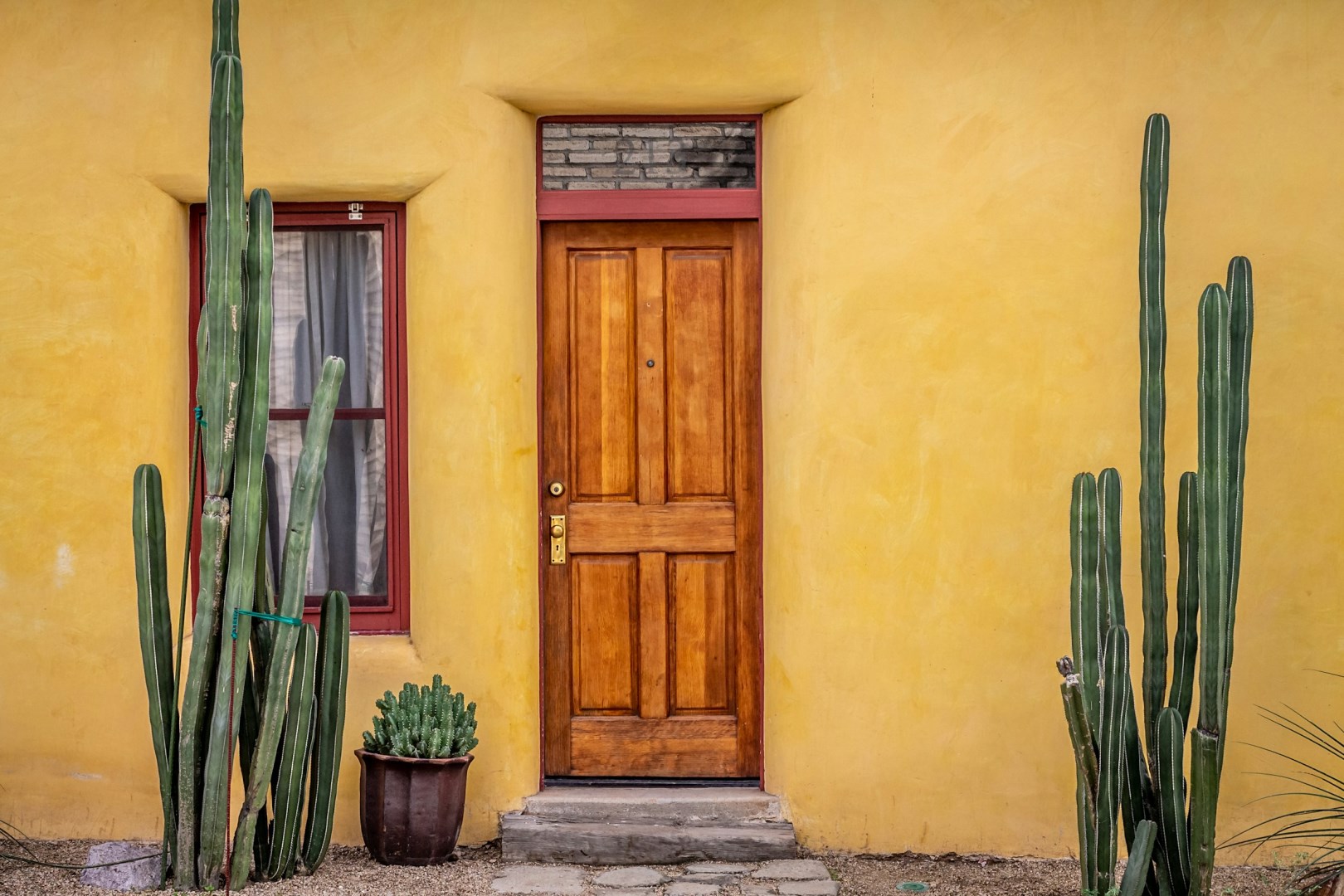
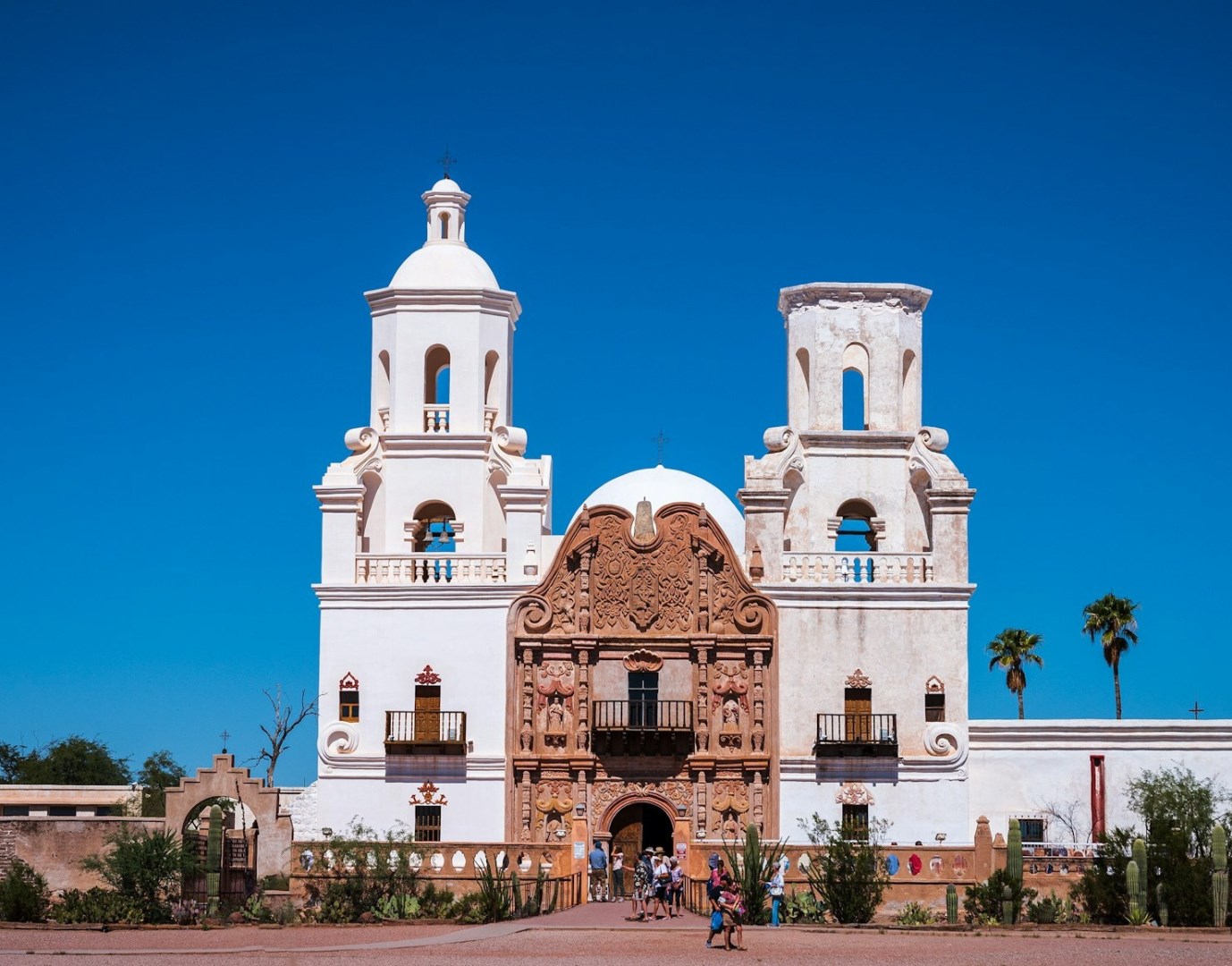
Tucson has a deep cultural identity shaped by Indigenous peoples, Mexican and Spanish heritage, ranching, mining, and agriculture. The Tohono O’odham and Pascua Yaqui peoples maintain strong connections to the region, while Tucson’s historic districts contain adobe buildings and other structures reflecting its multicultural past. Mission San Xavier del Bac, a Spanish Catholic mission south of the city, is an important architectural and cultural landmark. Tucson’s designation as a UNESCO City of Gastronomy also reflects the influence of Indigenous desert foods, Mexican traditions, and regional agricultural practices.
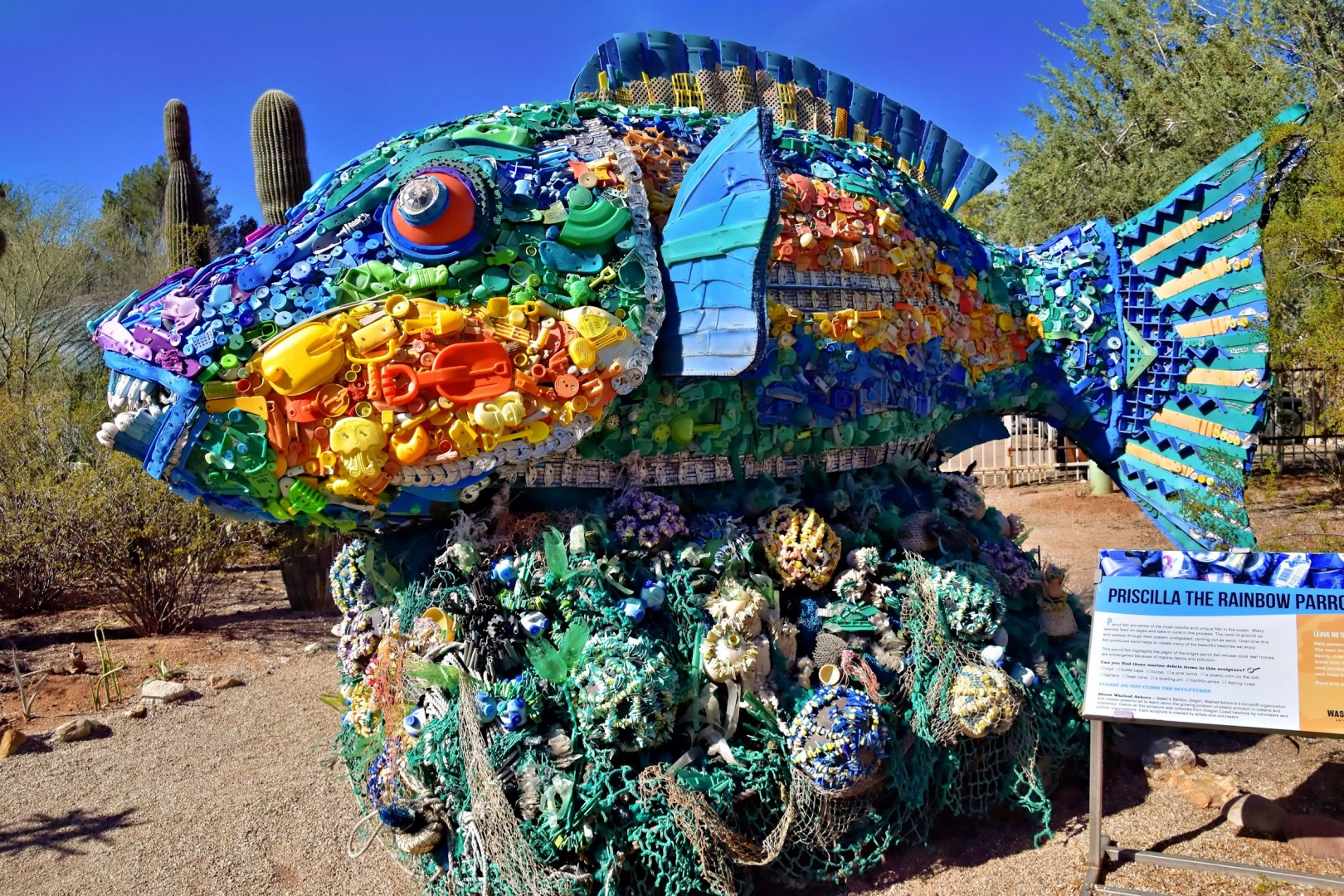
The surrounding landscape provides many opportunities to explore the Sonoran Desert. Saguaro National Park protects large stands of the giant saguaro cactus in two districts on opposite sides of the city, with scenic drives and hiking trails through desert foothills. Sabino Canyon, within the Coronado National Forest, offers access to a canyon surrounded by the Santa Catalina Mountains. The Arizona-Sonora Desert Museum combines a zoo, botanical garden, and natural history exhibits, while Mount Lemmon provides a dramatic change in elevation and vegetation north of Tucson.
Food is an important part of Tucson’s local identity, with Sonoran-style Mexican cuisine particularly associated with the city. Dishes featuring flour tortillas, carne asada, beans, chiles, and mesquite-grilled ingredients are common, while local restaurants also draw on Native American and broader Southwestern traditions. Tucson’s agricultural heritage remains visible through farmers markets and regional food producers. Another distinctive detail is the city’s long-standing connection to the saguaro, which has cultural significance for the Tohono O’odham and is protected throughout the region. The combination of desert ecology, Indigenous heritage, historic architecture, and food traditions gives Tucson a character closely tied to its landscape.